
 admin
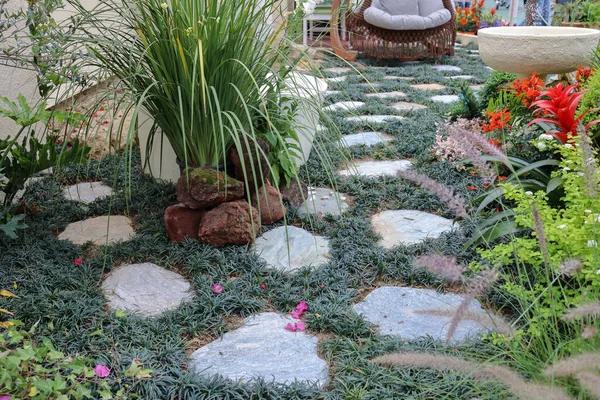
Many people dream of creating a garden that resonates with their personality and lifestyle, but often find themselves overwhelmed by choices. They might wonder: How can I create a space that is not only functional but also aesthetically pleasing? Fortunately, inspiration can come from unexpected places, like a well-crafted blog post that highlights unique garden trails, such as the Monolith Garden Trail. This particular trail offers insights and ideas that can help guide the design of your own garden space. For more information about this picturesque trail, you can visit https://bossofmyfeelings.com/2026/08/09/discover-the-beauty-of-monolith-garden-trail/.
Finding Your Garden’s Identity
Before diving into specific designs, it’s important to identify what you want your garden to say about you. Are you drawn to vibrant colors, or do you prefer a more subdued palette? Perhaps a coleus garden, known for its bright and varied foliage, could be the perfect choice for those who love a splash of color. Alternatively, you might consider a lattice garden, which integrates structured elegance with climbing plants, offering a sophisticated yet natural look. Each garden style offers unique ways to express your identity and set the tone for your outdoor space.
Incorporating Functional Elements
Beyond aesthetics, functionality plays a crucial role in garden design. Consider integrating elements that enhance usability, such as garden torches for evening illumination or pathways that guide the flow of movement. These elements not only serve practical purposes but can also contribute to the overall ambiance of your garden. For instance, strategically placed garden torches can create a cozy atmosphere, making your outdoor space inviting even after the sun sets.
Embracing Nature’s Beauty
A garden should be a celebration of nature’s beauty. By incorporating native plants and flowers, you can create a harmonious ecosystem that attracts local wildlife. One such option is a dandelion garden, which not only adds a whimsical touch to your landscape but also supports pollinators. Embracing nature’s beauty in your garden design ensures that your space is not only visually appealing but also environmentally friendly.
The Art of Balance
Achieving balance in your garden design is crucial. This involves harmonizing various elements such as color, texture, and form. A well-balanced garden draws the eye and creates a serene atmosphere. The key is to ensure that no single element overwhelms the others. Whether you’re designing a coleus garden with vibrant foliage or a lattice garden with intricate structures, balance should always be at the forefront of your design strategy.
What to Keep in Mind Next
As you embark on your garden design journey, remember to stay true to your vision and personal taste. Each garden, whether inspired by the Monolith Garden Trail or your creative imagination, should reflect who you are and what brings you joy. Consider the functionality, aesthetic, and environmental impact of your choices, and allow your garden to evolve over time, just like nature itself. With these insights, you are well on your way to creating a garden that is both beautiful and uniquely yours.