
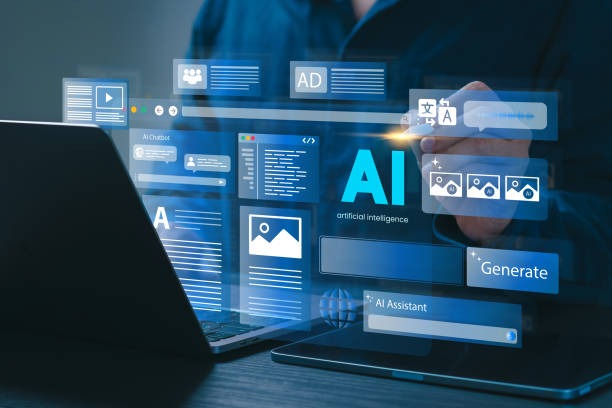
In an era characterized by rapid technological advancements, the intersection of artificial intelligence and education has emerged as a transformative force. AI content generation, in particular, is reshaping how knowledge is disseminated and absorbed. This technology enables the creation of educational materials that are not only tailored to individual learning styles but also accessible on a global scale.
At its core, AI content generation leverages machine learning algorithms to produce text, images, videos, and even interactive simulations. These tools can analyze vast datasets to generate content that is both accurate and engaging. For educators, this means having access to resources that can be customized for different curricula or adapted to suit diverse student needs. By automating the creation of educational materials, teachers can focus more on personalized instruction and less on administrative tasks.
One significant advantage of AI-generated content is its ability to bridge gaps in knowledge dissemination across different regions and languages. Traditional educational resources often face limitations due to language barriers or regional availability. However, AI systems equipped with natural language processing capabilities can translate complex concepts into multiple languages almost instantaneously. This democratization of information ensures that learners from all corners of the world have equal access to quality education.
Moreover, AI content generation fosters a dynamic learning environment where students are encouraged to explore subjects at their own pace. Adaptive learning platforms powered by AI can assess a student’s understanding in real-time and adjust the difficulty level accordingly. This personalized approach not only enhances comprehension but also motivates students by providing immediate feedback tailored to their performance.
Critics may argue about potential drawbacks such as over-reliance on technology or concerns about data privacy. While these issues warrant careful consideration, they should not overshadow the immense benefits offered by integrating AI into education systems globally. With proper regulations in place regarding data handling and ethical use of technology within classrooms—alongside ongoing teacher training programs—the risks associated with implementing advanced technologies like artificial intelligence could be effectively mitigated.
Furthermore, educators themselves stand much gain from embracing these innovations; professional development opportunities abound through online courses generated via intelligent algorithms capable of curating relevant topics based upon current trends within specific fields—thus ensuring continuous growth among teaching professionals worldwide without geographical constraints impeding progress toward achieving higher standards overall when it comes down ultimately improving outcomes related directly back towards enhancing student success rates long-term basis too!
In conclusion then: Bridging knowledge code represents powerful synergy between human ingenuity machine efficiency—a partnership poised revolutionize future generations’ educative experiences forevermore!

